What is a Percentage?
Understanding the Meaning of “Percent”
Let’s start with something simple—what exactly is a percentage? The word “percent” literally means “per hundred.” So when you see 50%, it simply means 50 out of 100. It’s like slicing a pizza into 100 pieces and taking 50 of them. That’s half the pizza, right? Percentages are just a smarter way of expressing parts of a whole in a universally understood format.
Think about it this way: instead of dealing with messy fractions like 23/57, percentages standardize everything to a base of 100. That’s what makes them incredibly useful. Whether you’re comparing exam scores, business profits, or discounts in a store, percentages give you a clear and quick understanding without overcomplicating things.
You might not even realize it, but percentages are everywhere. From your phone battery showing 80% to your weather app predicting a 30% chance of rain, you’re constantly interacting with percentages. They’ve become a universal language of comparison and decision-making in modern life.
Why Percentages Are So Important
Percentages are more than just numbers—they’re decision-making tools. Imagine walking into a store and seeing a “30% OFF” sign. Instantly, your brain starts calculating whether it’s a good deal. That’s the power of percentages—they simplify complex data into something instantly understandable.
They also help in financial planning. Whether it’s calculating interest rates on loans or understanding your salary increment, percentages provide clarity. For example, a 5% raise sounds small, but when applied to your monthly income, it can make a noticeable difference over time.
Even in education, percentages play a huge role. Your grades, attendance, and performance are often expressed in percentages. This makes it easier to track progress and compare results. In short, percentages are like a universal translator for numbers—making everything easier to understand and act upon.
Basic Percentage Formulas Everyone Should Know
Finding a Percentage of a Number
Let’s get practical. One of the most common questions is: “What is 20% of 150?” The answer lies in a simple formula:
Percentage Value = (Percentage ÷ 100) × Total
So, 20% of 150 becomes:
20 ÷ 100 = 0.2
0.2 × 150 = 30
That’s it—simple, right?
This formula is the backbone of most percentage calculations you’ll encounter. Whether you’re calculating discounts, taxes, or tips, this method applies almost everywhere. Once you get comfortable with converting percentages into decimals, everything becomes much easier.
What’s interesting is how this simple formula powers so many real-life decisions. From figuring out how much you’ll save on a sale to calculating how much tax you owe, it all boils down to this one equation.
Calculating Percentage Increase or Decrease
Now let’s talk about change. Life isn’t static—prices go up, salaries increase, and sometimes expenses decrease. That’s where percentage change comes in.
The formula looks like this:
Percentage Change = ((New Value – Old Value) ÷ Old Value) × 100
Let’s say your salary increased from $1000 to $1200:
Increase = 200
Divide by original = 200 ÷ 1000 = 0.2
Multiply by 100 = 20% increase
This formula is incredibly useful in tracking progress, whether it’s financial growth, weight loss, or business performance. It helps you measure improvement in a standardized way, making comparisons easier and more meaningful.
Real-Life Applications of Percentages
Shopping Discounts and Sales
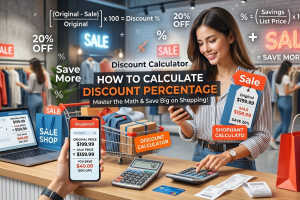
Let’s be honest—who doesn’t love a good sale? Percentages are your best friend when it comes to shopping. A “25% OFF” sign might look attractive, but do you know exactly how much you’re saving?
For example, if a jacket costs $120 and has a 25% discount:
25% of 120 = 30
Final price = 120 – 30 = $90
Understanding this helps you avoid impulsive buying and ensures you’re actually getting a good deal. It also allows you to compare discounts across different stores more effectively.
Banking, Loans, and Interest Rates
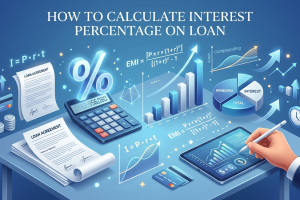
Percentages play a massive role in financial systems. Interest rates on loans, savings accounts, and credit cards are all expressed as percentages.
For example:
- A 5% interest rate on a $1000 deposit gives you $50 annually
- A higher loan interest rate means you pay more over time
Understanding these percentages can save you thousands in the long run. It helps you choose better financial products and avoid unnecessary debt.
Taxes and Bills
Every time you pay a bill or buy something, percentages are involved. Sales tax, service charges, and tips are all calculated using percentages.
For instance:
- 8% tax on a $50 purchase = $4
- Total bill = $54
Knowing how to calculate this quickly helps you budget better and avoid surprises at checkout.
Health and Fitness Tracking
Even your health relies on percentages. From body fat percentage to calorie intake, percentages help you track your progress.
For example:
- Protein might make up 30% of your diet
- Your fitness app may show 70% goal completion
These numbers guide your decisions and help you stay on track. It’s like having a personal coach that speaks in percentages.
How Percentage Affects Your Daily Decisions
Budgeting and Expense Planning
Managing money without percentages is like driving without a speedometer—you’re basically guessing. Budgeting often uses percentage rules like the 50/30/20 rule, where 50% of income goes to needs, 30% to wants, and 20% to savings.
This method helps you maintain financial balance. Instead of guessing how much to spend, percentages give you a structured approach.
Comparing Prices Smartly
Ever noticed how two products with different prices and discounts can be confusing? Percentages simplify comparisons.
For example:
- Product A: $100 with 20% off = $80
- Product B: $90 with 10% off = $81
Even though Product B looks cheaper, Product A is actually the better deal. This is where understanding percentages gives you an edge.
Using a Percentage Calculator Tool
What is a Percentage Calculator?
A percentage calculator is a simple tool that helps you perform percentage calculations instantly. Whether you want to find a discount, calculate tax, or determine percentage change, this tool does it all in seconds.
It eliminates the need for manual calculations and reduces the chances of errors. Think of it as your personal math assistant that’s always ready to help.
How to Use It Step-by-Step
Using a percentage calculator is incredibly simple:
- Enter the total value
- Input the percentage
- Click calculate
- Get instant results
That’s it. No complex formulas, no confusion—just quick and accurate answers.
Types of Percentage Calculators
Different tools serve different purposes. Some common types include:
- Discount calculators
- Interest calculators
- Percentage change calculators
- Budget calculators
- Tip calculators
Each one is designed to make a specific task easier, saving you time and effort.
Benefits of Using a Percentage Tool
Accuracy and Time-Saving
Let’s face it—manual calculations can be slow and error-prone. A percentage calculator gives you instant and accurate results, making it ideal for everyday use.
Whether you’re shopping, budgeting, or analyzing data, speed matters. And that’s exactly what these tools offer.
Avoiding Human Errors
Even a small mistake in calculation can lead to big problems, especially in finance. A calculator ensures precision, helping you avoid costly errors.
It’s like having a safety net for your calculations—reliable, consistent, and always correct.
Tips to Master Percentages Easily
Quick Mental Math Tricks
Want to calculate faster without a calculator? Here are a few tricks:
- 10% of a number = move decimal one place left
- 50% = half the number
- 25% = divide by 4
These shortcuts can save you time in everyday situations.
When to Use Tools vs Manual Calculation
Use mental math for quick estimates, but rely on tools for accuracy. If money is involved, always double-check using a calculator.
Conclusion
Percentages are not just a math concept—they’re a life skill. From shopping and budgeting to health and finance, they influence almost every decision you make. Understanding how to use percentages gives you control, clarity, and confidence in your daily life.
And with the help of a percentage calculator tool, everything becomes even easier. You don’t need to be a math genius—you just need the right approach and the right tools.
FAQs
1. Why are percentages important in daily life?
Percentages simplify comparisons and help in making informed decisions in finance, shopping, and health.
2. What is the easiest way to calculate percentages?
Convert the percentage into a decimal and multiply it by the total value.
3. Where are percentages used the most?
They are commonly used in shopping discounts, taxes, interest rates, and budgeting.
4. What is a percentage calculator?
It’s a tool that quickly calculates percentages without manual math.
5. Can I calculate percentages without a calculator?
Yes, using simple tricks and formulas, but calculators provide faster and more accurate results.
Try our Following tool according to your need
1. Loan Calculator